As Comparing the Top Smart Security Systems for Global Homes takes center stage, this opening passage beckons readers into a world crafted with good knowledge, ensuring a reading experience that is both absorbing and distinctly original.
This topic delves into the realm of smart security systems, highlighting the key components, top systems available worldwide, technology integration, customization options, scalability, and global market trends.
Overview of Smart Security Systems
Smart security systems are advanced technological solutions designed to protect homes and properties from intruders and other potential risks. These systems utilize various devices and sensors to monitor and secure the premises, providing homeowners with peace of mind and enhanced safety measures.Key components typically found in smart security systems include:
Surveillance cameras
These cameras are strategically placed around the property to capture video footage of any suspicious activities.
Motion sensors
These sensors can detect movement and alert the homeowners or authorities of potential intrusions.
Smart door locks
These locks can be remotely controlled and monitored through a smartphone app, allowing homeowners to grant access to visitors or lock/unlock the doors from anywhere.
Alarm systems
Smart security systems are equipped with alarm systems that can be triggered in case of a break-in or emergency, alerting both the homeowners and the monitoring company.Comparing traditional security systems with smart security systems, the main difference lies in the level of automation and connectivity.
While traditional security systems rely on manual activation and monitoring, smart security systems offer remote access and control through mobile apps or online platforms. This allows homeowners to manage their security systems from anywhere in the world, providing a more convenient and efficient way to ensure the safety of their homes.
Top Smart Security Systems Available Globally
When it comes to smart security systems available worldwide, there are several top options that offer advanced features to help protect homes. These systems are designed to provide enhanced security and peace of mind to homeowners.
1. Ring Alarm
Ring Alarm is a popular smart security system that offers a range of features, including motion detection, door and window sensors, and a mobile app for remote monitoring. It is compatible with various devices and can be easily integrated into different home setups.
2. Nest Secure
Nest Secure is another top smart security system that provides comprehensive protection for homes. It includes sensors for doors and windows, a motion sensor, and a key fob for easy arming and disarming. The system is user-friendly and can be controlled through the Nest app.
3. SimpliSafe
SimpliSafe is known for its easy installation and customizable packages. It offers features such as entry sensors, motion sensors, and a panic button for emergencies. SimpliSafe is compatible with Alexa and Google Assistant, making it convenient to integrate into smart home setups.
4. ADT Pulse
ADT Pulse is a well-established smart security system that provides 24/7 professional monitoring services. It offers a wide range of features, including video surveillance, remote access, and smart home automation capabilities. ADT Pulse is compatible with a variety of smart devices for seamless integration.
5. Arlo Ultra
Arlo Ultra is a high-quality smart security system that offers 4K video resolution for crisp and clear footage. It features advanced motion detection, night vision, and two-way audio for enhanced security. Arlo Ultra is easy to install and can be integrated with other smart home devices.
Technology Integration in Smart Security Systems
Artificial intelligence, IoT devices, and biometric authentication play crucial roles in enhancing the functionality of smart security systems.
Artificial Intelligence Integration
Artificial intelligence is integrated into smart security systems to enable more advanced features such as facial recognition, behavior analysis, and predictive modeling. AI algorithms can analyze patterns in data to detect anomalies and potential threats in real-time, making these systems more efficient and effective in preventing security breaches.
Role of IoT Devices
IoT devices, such as smart cameras, sensors, and door locks, are integrated into smart security systems to provide real-time monitoring and control capabilities. These devices communicate with each other and with the central security system to ensure comprehensive coverage and quick response to security incidents.
By connecting various devices through the internet, IoT enhances the overall security ecosystem of a smart home.
Biometric Authentication
Biometric authentication, such as fingerprint or facial recognition, adds an extra layer of security to advanced smart security systems. By using unique biological traits to verify the identity of individuals, biometric authentication ensures that only authorized users can access the system or specific areas within a property.
This technology is more secure and convenient compared to traditional methods like passwords or PIN codes.
Security System Customization and Scalability
When it comes to smart security systems, customization and scalability play a crucial role in ensuring that users can tailor the system to their specific needs and expand it as their requirements change over time.
Customization Options in Top Smart Security Systems
- Users can customize their smart security systems by choosing specific sensors and cameras based on the layout of their homes and their security priorities.
- Some systems offer the flexibility to adjust sensitivity levels, notification settings, and access controls to meet individual preferences.
- Integration with other smart home devices allows for further customization, such as setting up automation routines based on security events.
Scalability for Different Types of Homes
- Top smart security systems are designed to be scalable, allowing users to start with a basic setup and expand it as needed without major disruptions.
- Users can add more sensors, cameras, or other devices to cover larger areas or enhance security measures over time.
- Cloud-based storage options provide scalability in terms of recording and storing footage, ensuring that users can access historical data as their system grows.
Tailoring Systems to Specific Needs
- For users with specific security concerns, customization options like geofencing, facial recognition, or voice control can be integrated into the system.
- Customizable alerts and notifications allow users to receive real-time updates on security events that matter most to them.
- Scalable subscription plans offer additional features and services for users looking to expand the capabilities of their smart security system.
Global Market Trends in Smart Security Systems
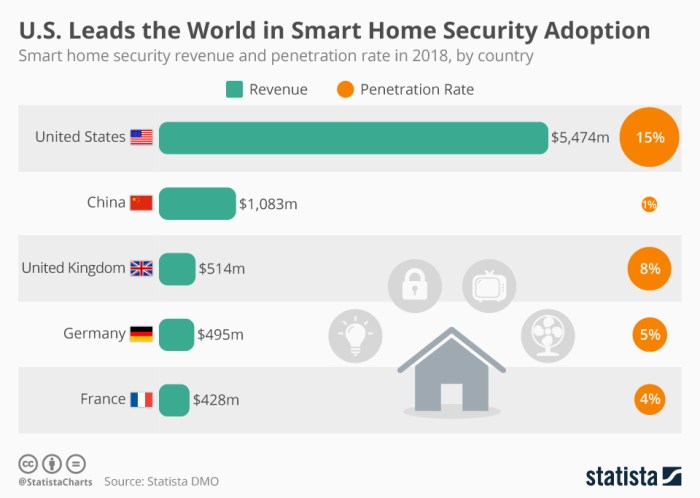
Smart security systems have witnessed a significant surge in demand globally due to the increasing focus on home automation and security. Let’s delve into the current trends shaping the global market for smart security systems.
Adoption Rates of Smart Security Systems in Different Regions
- North America: North America has been a frontrunner in the adoption of smart security systems, driven by the presence of key market players and high awareness among consumers.
- Europe: Europe is also experiencing a steady growth in the adoption of smart security systems, with countries like the UK, Germany, and France leading the way.
- Asia Pacific: The Asia Pacific region is witnessing a rapid increase in the adoption of smart security systems, fueled by technological advancements and rising concerns about safety and security.
- Middle East and Africa: Although still relatively nascent, the Middle East and Africa are gradually embracing smart security systems as awareness grows and affordability increases.
Factors Driving the Growth of the Smart Security Systems Market on a Global Scale
- Rising Crime Rates: Increasing incidences of thefts and burglaries have propelled the demand for advanced security solutions, driving the growth of the smart security systems market.
- Technological Advancements: Continuous innovations in smart security technologies, such as AI-powered cameras and biometric access control systems, are attracting consumers towards adopting smart security solutions.
- Integration with IoT: The seamless integration of smart security systems with other IoT devices and home automation systems is enhancing convenience and boosting the market growth.
- Government Initiatives: Supportive government policies promoting the use of smart security systems for public safety and crime prevention are also contributing to the expansion of the market.
Summary
In conclusion, the exploration of Comparing the Top Smart Security Systems for Global Homes unveils a landscape rich with innovation and possibilities, paving the way for enhanced security measures across homes worldwide.
Commonly Asked Questions
How do smart security systems differ from traditional security systems?
Smart security systems utilize advanced technology like AI and IoT devices for enhanced functionality and remote access, unlike traditional systems.
Are smart security systems customizable?
Yes, top smart security systems offer customization options to tailor the system to specific user needs and preferences.
What are some current global market trends in smart security systems?
Current trends include increased adoption rates globally and the integration of biometric authentication for heightened security measures.