Exploring the future landscape of smart roofing technology opens up a realm of possibilities that promise efficiency, sustainability, and enhanced safety. From cutting-edge materials to seamless integration with smart home devices, the evolution of roofing systems is revolutionizing the way we think about shelter and energy consumption.
Let’s delve into the exciting world of smart roofing technology.
Overview of Smart Roofing Technology
Smart roofing technology refers to the integration of advanced systems and sensors into roofing materials to enhance performance, efficiency, and sustainability. These technologies enable roofs to go beyond their traditional function of providing shelter by offering additional benefits such as energy efficiency, environmental monitoring, and improved safety.
Current Smart Roofing Systems
- Solar Roofing: Solar panels integrated into roofing materials to harness solar energy for electricity generation.
- Green Roofing: Vegetation and planting systems on roofs to improve insulation, reduce energy consumption, and enhance urban biodiversity.
- Smart Shingles: Shingles embedded with sensors to monitor temperature, moisture levels, and detect leaks in real-time.
- Reflective Roof Coatings: Coatings that reflect sunlight to reduce heat absorption, lower cooling costs, and mitigate urban heat island effect.
Benefits of Smart Roofing Technology
- Energy Efficiency: Smart roofing systems can help reduce energy consumption by optimizing heating, cooling, and lighting in buildings.
- Cost Savings: By generating electricity, reducing energy bills, and extending roof lifespan through early detection of issues, smart roofing technology can lead to significant cost savings over time.
- Environmental Sustainability: Green roofing and solar technologies contribute to reducing carbon footprint, mitigating climate change, and promoting sustainable practices.
- Enhanced Safety: Real-time monitoring of roof conditions and early detection of leaks or damages can prevent accidents, minimize repair costs, and ensure occupant safety.
Key Features of Smart Roofing Systems
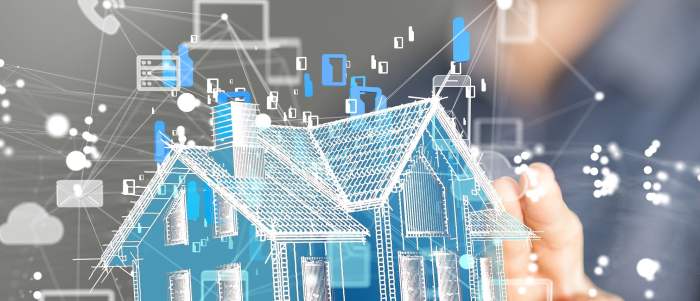
Smart roofing systems are revolutionizing the way we think about roofs by incorporating advanced technology to enhance efficiency and functionality. These systems are equipped with key features that set them apart from traditional roofing systems, offering benefits such as improved energy efficiency, enhanced safety, and easier maintenance.
Sensors for Environmental Monitoring
Smart roofing systems are integrated with sensors that monitor environmental conditions such as temperature, humidity, and UV exposure. These sensors provide real-time data to help optimize energy usage and maintain a comfortable indoor climate.
Automation for Optimal Performance
Automation plays a crucial role in smart roofing systems, allowing for automatic adjustments based on weather conditions or energy consumption patterns. For example, automated shading systems can adjust to block sunlight and prevent overheating, reducing the need for excessive air conditioning.
Connectivity for Remote Monitoring
Smart roofing systems are connected to a centralized platform that enables remote monitoring and control. This connectivity allows users to access data and make adjustments from anywhere, providing convenience and peace of mind.
Comparison with Traditional Roofing Systems
Unlike traditional roofing systems, smart roofs offer proactive monitoring, automated responses, and remote access capabilities. While traditional roofs are passive structures, smart roofs actively respond to changing conditions to optimize performance and energy efficiency.
Sustainability and Energy Efficiency
Smart roofing technology plays a crucial role in promoting sustainability by reducing energy consumption and minimizing environmental impact. By incorporating innovative features and materials, smart roofs contribute to a more eco-friendly and energy-efficient building design.
Benefits of Smart Roofing Systems
- Enhanced Insulation: Smart roofing systems are designed to provide better insulation, reducing the need for heating and cooling systems. This helps in maintaining a consistent indoor temperature and lowering energy usage.
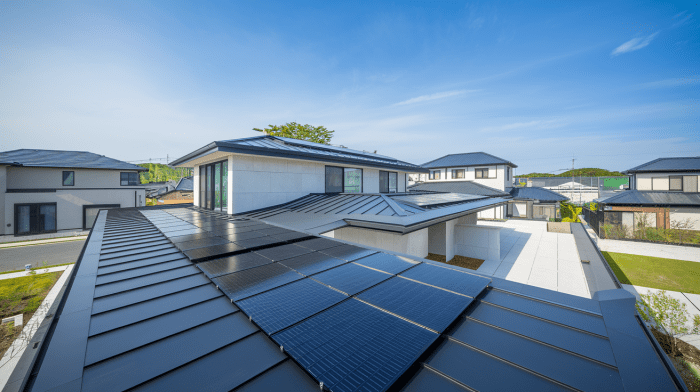
- Solar Panel Integration: Many smart roofs are equipped to integrate solar panels, allowing for the generation of renewable energy on-site. This not only reduces dependency on traditional power sources but also lowers electricity bills.
- Reflective Coatings: Some smart roofs feature reflective coatings that help in deflecting sunlight and reducing heat absorption. This leads to a cooler indoor environment, especially during hot summer months, thereby decreasing the reliance on air conditioning.
Advancements in Materials and Design
As smart roofing technology continues to evolve, there have been significant advancements in the materials used and the design elements integrated into smart roofing systems. These innovations play a crucial role in enhancing the performance, durability, and aesthetics of modern roofs.
Innovative Materials Used in Smart Roofing Technology
One of the key aspects driving the advancements in smart roofing technology is the development of innovative materials. These materials are specifically engineered to provide superior protection against various environmental factors such as UV radiation, extreme temperatures, and moisture. For example, solar reflective coatings and cool roof materials help in reducing heat absorption, lowering energy consumption, and prolonging the lifespan of the roof.
Integration of Design Elements into Smart Roofing Systems
Design elements are seamlessly integrated into smart roofing systems to not only enhance the visual appeal of the roof but also improve its functionality. Features like skylights, solar panels, and green roofs are incorporated into the design to maximize energy efficiency, promote sustainability, and create a more environmentally friendly building envelope.
The careful consideration of design elements also ensures that the roof complements the overall architectural style of the structure.
Impact of Material Advancements on the Durability of Smart Roofs
The use of advanced materials in smart roofing technology has a direct impact on the durability of roofs. These materials are engineered to be more resistant to wear and tear, corrosion, and other forms of damage. As a result, smart roofs are able to withstand harsh weather conditions, maintain their structural integrity over time, and require minimal maintenance.
This improved durability not only extends the lifespan of the roof but also reduces the need for frequent repairs and replacements, ultimately saving costs for building owners.
Safety and Security Features
Smart roofing systems are not only about sustainability and energy efficiency, but they also come with advanced safety and security features that enhance the overall protection of buildings. These features are designed to provide a secure environment for occupants while also protecting the structure itself from potential hazards.
Safety Features in Smart Roofing Systems
- Impact Resistance: Smart roofing materials are often designed to be impact-resistant, reducing the risk of damage from hail, fallen branches, or other objects.
- Fire Resistance: Many smart roofing systems come with fire-resistant properties, helping to minimize the spread of fires and protect the building in case of emergencies.
- Weatherproofing: Smart roofs are equipped with weatherproofing technologies that prevent leaks and water damage, ensuring the interior of the building remains dry and safe.
Enhanced Security for Buildings
- Remote Monitoring: Some smart roofing systems are integrated with sensors and cameras that allow for remote monitoring of the roof and surrounding areas, enhancing security and surveillance.
- Access Control: Smart roofs can incorporate access control systems that restrict unauthorized entry to the building, improving overall security measures.
- Alarm Systems: Advanced alarm systems can be integrated into smart roofs to alert occupants in case of emergencies such as break-ins or unauthorized access.
Technologies Improving Safety and Security in Roofing
- Smart Sensors: Sensors embedded in smart roofing systems can detect temperature changes, moisture levels, and other potential risks, providing early warnings for maintenance or repairs.
- Drone Technology: Drones equipped with cameras can be used to inspect roofs for damages or security breaches without the need for manual inspection, improving safety for workers and reducing risks.
- Smart Locks: Electronic smart locks can be installed on access points to the roof, allowing for secure keyless entry and monitoring of who enters or exits the building.
Integration with Smart Home Technology
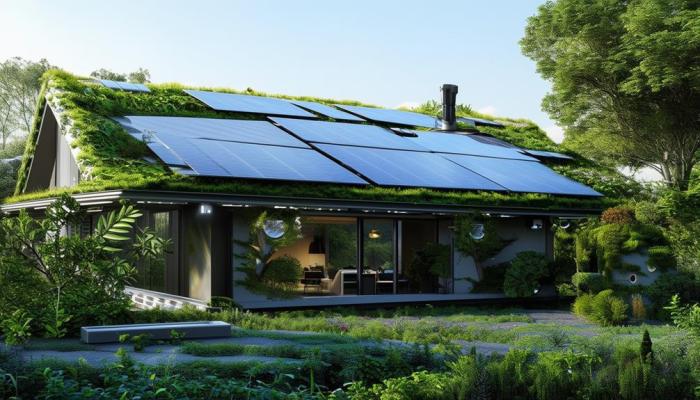
Smart roofing systems can now be seamlessly integrated with smart home devices, allowing for a more interconnected and efficient home environment. By connecting roofing systems with home automation, homeowners can experience a range of benefits that enhance both convenience and sustainability.
Benefits of Connecting Roofing Systems with Home Automation
- Improved Energy Efficiency: Smart roofing systems can work in tandem with smart thermostats and sensors to regulate temperature and optimize energy usage, reducing utility bills.
- Enhanced Security: Integration with smart home security systems allows for real-time monitoring of the roof and surrounding areas, providing added protection for the home.
- Convenience and Comfort: Automated features such as adjusting lighting, opening skylights, or closing blinds can all be controlled through a centralized smart home system, enhancing overall comfort and convenience.
Future Possibilities of Seamless Integration Between Roofs and Smart Homes
- Integration with Renewable Energy Sources: Smart roofing systems can potentially be integrated with solar panels or wind turbines to further enhance energy efficiency and reduce reliance on traditional power sources.
- Data Analytics and Predictive Maintenance: Advanced sensors embedded in smart roofs can collect data on weather patterns, roof condition, and energy usage, allowing for predictive maintenance and optimization of roof performance.
- Interconnectivity with Smart Grids: In the future, smart roofs may be able to communicate with smart grids to exchange data and optimize energy consumption based on real-time demand and supply, contributing to a more sustainable energy ecosystem.
Epilogue
In conclusion, the future of smart roofing technology holds immense potential to transform the way we build and maintain our roofs. With a focus on sustainability, energy efficiency, and safety, smart roofs are paving the way for a more connected and efficient future.
Stay tuned for more innovations in this dynamic field.
FAQ Explained
How do smart roofing systems contribute to sustainability?
Smart roofing systems help reduce energy consumption by optimizing heating and cooling processes, thus lowering the overall carbon footprint of buildings.
What are some innovative materials used in smart roofing technology?
Materials like photovoltaic shingles, cool roofs, and self-healing membranes are some of the cutting-edge options utilized in smart roofing systems.
Can smart roofing systems be integrated with security features?
Yes, smart roofs can incorporate sensors and cameras for enhanced security, providing real-time monitoring and alerts for potential threats.