As fire-resistant siding materials take the spotlight, this introductory passage invites readers into a realm of knowledge, promising an engaging and informative journey ahead.
Delve into the diverse types, installation processes, environmental impacts, and cost considerations of fire-resistant siding materials to uncover a world of possibilities and practicality.
Types of Fire-Resistant Siding Materials
When it comes to protecting your home from fire damage, choosing the right siding material is crucial. Here are five different types of fire-resistant siding materials along with their composition, characteristics, and effectiveness in resisting fire damage:
Fiber Cement Siding
Fiber cement siding is made from a mixture of cement, sand, and cellulose fibers. It is known for its durability, resistance to rot and pests, and excellent fire resistance. Fiber cement siding is non-combustible and can help prevent the spread of flames in the event of a fire.
Metal Siding
Metal siding, such as steel or aluminum, is another fire-resistant option for homeowners. Metal siding is highly durable, resistant to pests, and has a high melting point, making it an excellent choice for fire-prone areas. It does not contribute fuel to a fire and can help protect the structure of the home.
Brick Siding
Brick siding is a classic choice that offers excellent fire resistance. Made from fired clay, brick siding is non-combustible and can withstand high temperatures. In addition to its fire-resistant properties, brick siding is also durable and low-maintenance.
Stone Veneer Siding
Stone veneer siding is a popular choice for homeowners looking for a natural and fire-resistant option. Made from natural stone, stone veneer siding provides excellent fire resistance and insulation. It is also resistant to pests and can last for many years with proper maintenance.
Composite Siding
Composite siding is a mixture of wood fibers, resin, and other materials that offer the look of wood with enhanced durability and fire resistance. Composite siding is resistant to rot, pests, and fire, making it a great option for homeowners seeking a low-maintenance, fire-resistant siding material.
Installation and Maintenance
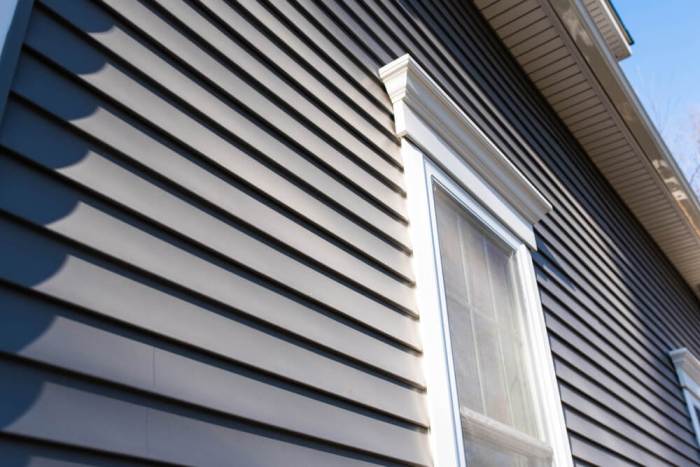
When it comes to fire-resistant siding materials, proper installation and maintenance are crucial to ensure their effectiveness in protecting your home from fire hazards. Here is a breakdown of the installation process, tips for maintenance, and the importance of regular inspections and repairs.
Installation Process
Installing fire-resistant siding materials requires precision and attention to detail. Here are the general steps involved in the installation process:
- Prepare the surface: Ensure the surface where the siding will be installed is clean, smooth, and free of any debris.
- Measure and cut: Accurately measure and cut the siding materials to fit the dimensions of your home.
- Secure the siding: Install the siding according to the manufacturer’s instructions, making sure it is securely attached to the structure of your home.
- Finish and seal: Once the siding is in place, finish and seal the edges to provide added protection against fire.
Maintenance Tips
Proper maintenance is key to preserving the longevity and effectiveness of fire-resistant siding materials. Here are some tips for maintaining your siding:
- Regular cleaning: Keep the siding clean by washing it with a mild detergent and water to remove dirt and debris.
- Inspect for damage: Regularly inspect the siding for any signs of damage, such as cracks or warping, and address them promptly.
- Reapply sealant: Periodically reapply sealant to ensure the siding remains protected against fire hazards.
- Trim vegetation: Keep vegetation around your home trimmed and away from the siding to reduce the risk of fire spreading.
Importance of Regular Inspections and Repairs
Regular inspections and repairs are essential to maintaining the integrity of fire-resistant siding materials. Here’s why they are important:
- Early detection: Regular inspections can help identify any issues with the siding early on, allowing for timely repairs.
- Preventive maintenance: Addressing minor repairs promptly can prevent larger problems down the line and ensure the siding continues to provide protection against fire.
- Extend lifespan: By maintaining and repairing the siding as needed, you can extend its lifespan and maximize its effectiveness in safeguarding your home.
Environmental Impact
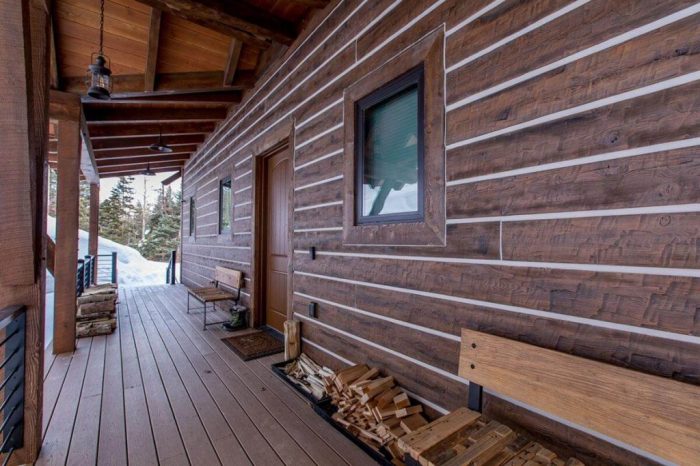
When it comes to fire-resistant siding materials, their eco-friendliness plays a crucial role in sustainable construction practices. These materials not only provide protection against fire hazards but also contribute to reducing the overall environmental impact of a building.
Recycling and Disposal Considerations
One of the key aspects of the environmental impact of fire-resistant siding materials is their recycling and disposal considerations. Many of these materials are designed to be recyclable, allowing for a more sustainable approach to construction. Proper disposal methods are also important to ensure that these materials do not end up in landfills, where they can contribute to environmental pollution.
Cost and Efficiency
When considering fire-resistant siding materials, it is essential to evaluate both the cost implications and the efficiency of these options. Let’s delve into how they compare to traditional siding choices and explore the potential cost savings and energy efficiency benefits.
Cost Comparison
Fire-resistant siding materials may initially have a higher upfront cost compared to traditional siding options. However, it is crucial to consider the long-term savings that can be achieved through reduced maintenance and potential insurance premium discounts. Additionally, the durability of fire-resistant siding materials can lead to fewer replacements over time, further contributing to cost savings.
Energy Efficiency
Fire-resistant siding materials can also offer energy efficiency benefits by providing better insulation for your home. By improving the thermal performance of your property, these materials can help reduce heating and cooling costs throughout the year. This increased energy efficiency not only saves you money on utility bills but also reduces your environmental impact by lowering energy consumption.
Insurance Premiums and Maintenance Costs
One significant advantage of using fire-resistant siding materials is the potential cost savings in terms of insurance premiums. Many insurance companies offer discounts for homeowners who invest in fire-resistant materials due to their reduced risk of fire damage. Moreover, the minimal maintenance requirements of fire-resistant siding can lead to long-term savings by avoiding frequent repairs or replacements.
By choosing these materials, you not only enhance the safety of your home but also save money in the long run.
Final Review
In conclusion, fire-resistant siding materials stand as a beacon of safety and sustainability in the realm of construction, offering a blend of protection, efficiency, and eco-consciousness. Dive into the world of fire-resistant siding to safeguard your home with style and substance.
Essential Questionnaire
Are fire-resistant siding materials completely fireproof?
While fire-resistant siding materials offer high resistance to fire, they are not entirely fireproof. They can withstand flames for a longer period compared to traditional siding materials.
Do fire-resistant siding materials require special maintenance?
Fire-resistant siding materials typically require regular cleaning and inspections to ensure their effectiveness. Additionally, any damaged sections should be promptly repaired to maintain their fire-resistant properties.
Are fire-resistant siding materials environmentally friendly?
Many fire-resistant siding materials are designed to be eco-friendly, using sustainable production methods and materials. They contribute to green construction practices by enhancing the overall sustainability of buildings.
Can using fire-resistant siding materials lead to insurance savings?
In some cases, using fire-resistant siding materials can result in lower insurance premiums due to the reduced risk of fire damage. It’s advisable to check with your insurance provider for any specific discounts or benefits.