Exploring the fascinating realm of siding materials and their relationship with different regions and climates opens up a world of intriguing insights. From the protective role they play in construction to the diverse range of materials used globally, this topic delves into a crucial aspect of building design.
As we venture further into the discussion, we uncover the intricate interplay between regional climates, temperature fluctuations, and the durability of siding materials. Understanding these factors is key to choosing the most suitable materials for varying weather conditions.
Overview of Siding Materials
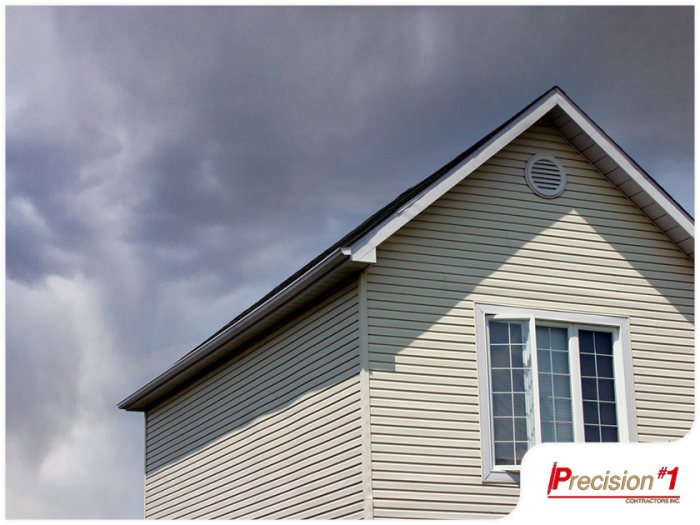
Siding materials play a crucial role in construction by providing protection to buildings from various elements, enhancing their aesthetic appeal, and improving energy efficiency.
Common siding materials used worldwide include:
- Vinyl: Affordable, versatile, and low maintenance.
- Wood: Traditional, natural, and customizable.
- Brick: Durable, fire-resistant, and classic.
- Stucco: Weather-resistant, energy-efficient, and versatile.
- Fiber Cement: Durable, low maintenance, and versatile.
The Role of Siding in Protecting Buildings
Siding acts as a protective barrier for buildings, shielding them from rain, snow, wind, and UV rays. It helps prevent moisture infiltration, mold growth, and structural damage, thereby prolonging the lifespan of the structure.
Factors Influencing Siding Material Selection
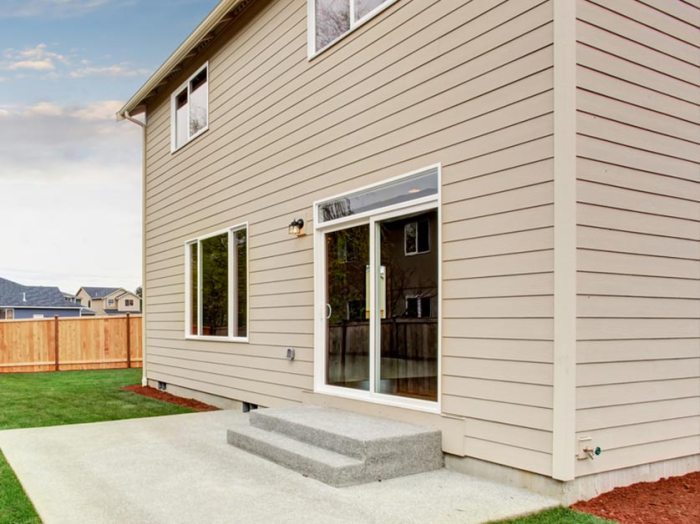
Regional climate plays a significant role in determining the most suitable siding materials for a particular area. The choice of siding material is influenced by various factors such as temperature, precipitation, humidity, and wind patterns. Understanding how these climatic conditions impact siding materials is crucial in selecting the most durable and efficient option for a specific region.
Impact of Temperature Variations on Siding Materials
Temperature variations can have a profound effect on the performance and longevity of siding materials. Extreme heat can cause certain materials to warp, crack, or fade, leading to deterioration over time. On the other hand, prolonged exposure to cold temperatures can make some siding materials brittle and prone to damage.
It is essential to choose siding materials that can withstand the temperature fluctuations typical of the region to ensure longevity and structural integrity.
Local Weather Conditions and Siding Durability
Local weather conditions, such as heavy rainfall, snow, high winds, and humidity levels, can impact the durability of siding materials. For example, areas prone to frequent rain or snow may require water-resistant siding materials to prevent moisture infiltration and mold growth.
Similarly, regions with high humidity levels may benefit from siding materials that are resistant to rot and decay. Understanding the specific weather conditions of a region is crucial in selecting siding materials that can withstand the elements and maintain their appearance and functionality over time.
Siding Materials in Different Climate Zones
When it comes to selecting siding materials, considering the climate of the region is crucial for ensuring durability and efficiency. Different climate zones require different types of siding materials to withstand the weather conditions effectively.
Hot Climates
In hot climates, it is essential to choose siding materials that can withstand high temperatures and intense sunlight without warping or fading. Materials like stucco, vinyl, and fiber cement are ideal choices for hot climates due to their heat resistance and durability.
Cold Climates
For cold climates, siding materials need to provide adequate insulation to keep the interior of the house warm. Options like wood, engineered wood, and brick are popular choices for cold regions as they offer good insulation properties and can withstand freezing temperatures.
Humid Regions
In humid regions, siding materials must be resistant to moisture and mold growth. Materials such as cedar, redwood, and metal siding are suitable for humid climates as they are naturally resistant to rot and decay caused by high humidity levels.
Areas Prone to Heavy Rainfall or Snow
In areas with heavy rainfall or snow, siding materials need to be waterproof and able to withstand moisture without deteriorating. Options like vinyl, fiber cement, and stone veneer siding are commonly used in regions prone to heavy precipitation as they are water-resistant and durable against harsh weather conditions.
Regional Variations in Siding Materials
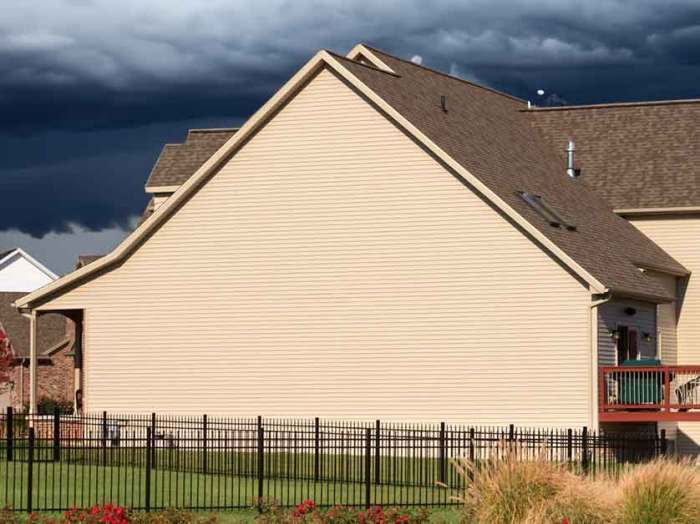
When it comes to siding materials, regional variations play a significant role in determining the choices homeowners make. Let’s delve into how cultural preferences, availability, and historical traditions influence siding material selection across different regions.
Cultural Preferences and Siding Material Choices
Cultural preferences have a strong influence on the choice of siding materials in different regions. For example, in coastal areas, where there is a strong maritime heritage, cedar shingles are often preferred for their durability and resistance to moisture. In contrast, regions with a history of Spanish colonial architecture may opt for stucco or clay tiles to reflect their cultural roots.
Availability of Siding Materials
The availability of certain siding materials can vary greatly from region to region. For instance, regions with abundant forests may have easier access to wood siding options like cedar or redwood. In contrast, areas with limited natural resources may rely more on synthetic siding materials like vinyl or fiber cement.
Historical Traditions Impacting Siding Material Selection
Historical traditions also play a significant role in siding material selection. In regions with a rich history of using certain materials, such as brick in New England or stone in the Midwest, homeowners may choose to continue these traditions to maintain the architectural integrity of their homes.
These historical traditions often shape the aesthetic preferences of the community and influence the popularity of certain siding materials.
Wrap-Up
As we conclude our exploration of how siding materials vary by region and climate, it becomes evident that the choice of materials goes beyond mere aesthetics. It is a strategic decision influenced by cultural preferences, historical traditions, and the need for practical durability.
By considering these aspects, one can ensure the longevity and resilience of buildings in different environments.
Questions and Answers
What role do regional climates play in selecting siding materials?
Regional climates dictate the choice of siding materials based on factors like temperature, humidity, and precipitation levels. Different climates require different materials for optimal performance and longevity.
Are there specific siding materials ideal for hot climates?
Siding materials like vinyl, stucco, or fiber cement are often recommended for hot climates due to their ability to withstand heat and sun exposure.
How do cultural preferences impact the selection of siding materials?
Cultural preferences can influence the choice of siding materials, with some regions favoring traditional materials like wood or stone for their aesthetic appeal and historical significance.