Exploring the security of smart home setups is crucial in today’s digital landscape. This article delves into the potential risks, vulnerabilities, and best practices to ensure your smart home remains safe and secure.
We will uncover common security vulnerabilities, discuss secure communication protocols, and provide valuable tips to help you protect your smart home devices effectively.
Importance of Smart Home Security
In today’s digital age, smart home security is more crucial than ever before. With the increasing number of connected devices in our homes, such as smart speakers, cameras, thermostats, and locks, the risk of cyber attacks and privacy breaches is a real concern.
Potential Risks of Insecure Smart Home Setups
- Unauthorized access: Without proper security measures, hackers can gain access to your smart home devices, compromising your privacy and safety.
- Data breaches: Insecure smart home setups are vulnerable to data breaches where sensitive information can be stolen and misused.
- Physical security threats: A compromised smart home system can lead to physical security threats, such as unauthorized entry into your home through smart locks or security cameras.
Consequences of a Compromised Smart Home System
- Privacy invasion: Hackers can spy on your activities, conversations, and routines through compromised smart home devices, violating your privacy.
- Identity theft: Stolen personal information from smart home devices can be used for identity theft, leading to financial losses and reputational damage.
- Home security risks: A compromised smart home system can put your physical safety at risk by allowing unauthorized individuals to control your devices or gain access to your home.
Common Security Vulnerabilities
When it comes to smart home devices, there are several common vulnerabilities that hackers exploit to gain unauthorized access to your system. It is crucial to be aware of these vulnerabilities in order to protect your smart home from potential security breaches.
Default Passwords
One of the most common security vulnerabilities in smart home devices is using default passwords. Many users do not change the default passwords that come with their devices, making it easy for hackers to gain access to the system. Hackers can easily find default passwords online or through simple hacking techniques, allowing them to take control of your smart home devices.
Unsecured Wi-Fi Networks
Another vulnerability is unsecured Wi-Fi networks. If your home network is not properly secured, hackers can easily intercept the communication between your smart home devices and gain access to sensitive information. It is important to use strong encryption methods and change default network settings to prevent unauthorized access.
Outdated Firmware
Failure to update firmware is also a common security risk. Manufacturers release firmware updates to patch security vulnerabilities and improve device performance. If you do not regularly update the firmware on your smart home devices, you are leaving them vulnerable to exploitation by hackers.
It is important to stay up to date with firmware updates to ensure the security of your smart home system.
Best Practices for Securing Smart Homes
When it comes to securing your smart home devices, there are several best practices you should follow to ensure the safety and privacy of your home.
Using Strong, Unique Passwords for Each Device
It is crucial to use strong, unique passwords for each smart home device you own. Avoid using default passwords or simple combinations that are easy to guess. Creating complex passwords with a mix of letters, numbers, and special characters can significantly enhance the security of your devices.
Setting Up a Separate Network for Smart Home Devices
One effective way to protect your smart home devices is by setting up a separate network dedicated solely to these devices. By isolating them from your main network, you can prevent potential threats from spreading to other connected devices in case of a security breach.
This extra layer of security can help safeguard your personal data and sensitive information.
Secure Communication Protocols
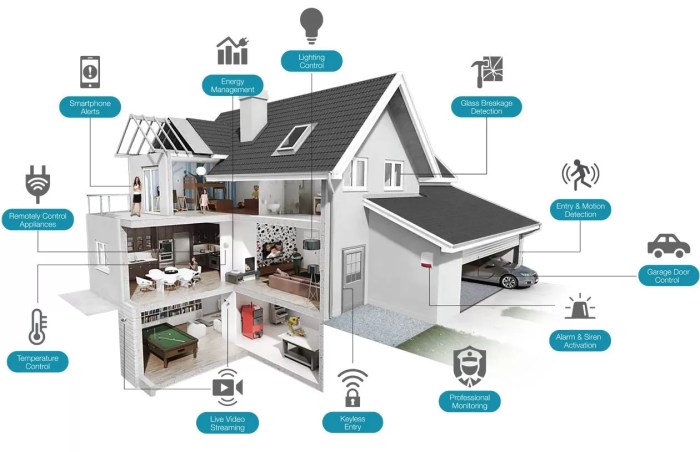
In the realm of smart home security, choosing the right communication protocols is crucial in safeguarding your sensitive data from potential threats. Let’s delve into the importance of secure communication protocols and how they contribute to the overall security of your smart home setup.
Comparison of Communication Protocols
When it comes to smart home devices, there are various communication protocols in use, such as Wi-Fi, Bluetooth, Zigbee, and Z-Wave. Each protocol has its own strengths and weaknesses in terms of range, speed, and interoperability. It’s essential to understand the differences between these protocols to make an informed decision when setting up your smart home ecosystem.
- Wi-Fi: Offers high-speed data transfer but may be susceptible to interference and security breaches if not properly secured.
- Bluetooth: Ideal for short-range communication between devices, but may have limitations in terms of range and scalability.
- Zigbee: Designed for low-power, low-data rate applications, Zigbee is known for its mesh networking capabilities but may require additional security measures.
- Z-Wave: Another low-power protocol with good range and reliability, Z-Wave devices often boast strong encryption standards for secure communication.
Importance of End-to-End Encryption
End-to-end encryption is a critical feature that ensures data transmitted between smart devices remains confidential and secure. By encrypting data at the source and decrypting it only at the intended destination, end-to-end encryption prevents unauthorized access and eavesdropping on sensitive information.
Implementing end-to-end encryption can safeguard your smart home data from potential cyber attacks and unauthorized access.
Vulnerabilities of Insecure Communication Protocols
Using insecure communication protocols can expose your smart home devices to various vulnerabilities, including man-in-the-middle attacks, data interception, and unauthorized access. Hackers can exploit these vulnerabilities to gain control over your devices, compromise your privacy, or even launch larger-scale attacks on your network.
It’s crucial to choose communication protocols with robust security features to mitigate the risks associated with insecure data transmission.
Epilogue
In conclusion, securing your smart home setup is essential to safeguard your privacy and data. By implementing best practices and staying informed about potential risks, you can enjoy the convenience of a smart home without compromising security.
Helpful Answers
How important is smart home security?
Smart home security is crucial in protecting your privacy, data, and overall safety in the digital age.
What are common security vulnerabilities in smart home devices?
Common vulnerabilities include weak passwords, unencrypted communication, and outdated firmware.
Why is using default passwords risky for smart home devices?
Default passwords are easily guessable, making it simpler for hackers to gain unauthorized access to your smart home system.
How can setting up a separate network benefit smart home security?
Creating a separate network for smart home devices helps isolate potential security breaches and protects your main network.