Discover the top roofing materials used worldwide in this detailed exploration. From traditional choices to innovative sustainable options, this article dives into the characteristics, benefits, and regional preferences of roofing materials, shedding light on how climate and cost-effectiveness play a crucial role in decision-making.
Types of Roofing Materials
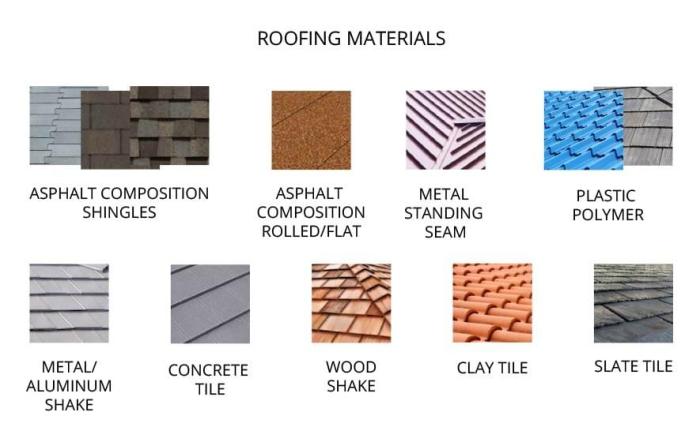
Roofing materials play a crucial role in protecting buildings from the elements and enhancing their aesthetic appeal. Here are some of the top roofing materials used around the world:
Asphalt Shingles
- Asphalt shingles are one of the most popular roofing materials due to their affordability and ease of installation.
- They come in a variety of colors and styles to suit different architectural designs.
- Asphalt shingles are durable and can offer good protection against weather elements.
- However, they may require more frequent maintenance compared to other materials.
Metal Roofing
- Metal roofs are known for their longevity and durability, lasting up to 50 years or more.
- They are resistant to fire, mildew, insects, and rot, making them a low-maintenance option.
- Metal roofing is also energy-efficient, reflecting heat to reduce cooling costs in hot climates.
- While the initial cost may be higher than other materials, the long-term benefits often outweigh the investment.
Clay Tiles
- Clay tiles have a distinctive look that adds character to a building’s exterior.
- They are durable, with a lifespan of 50-100 years, and are resistant to fire and rot.
- Clay tiles are environmentally friendly and can be recycled at the end of their lifespan.
- However, they are heavy and may require additional structural support.
Slate Roofing
- Slate roofing is known for its elegance and longevity, lasting over 100 years.
- It is resistant to fire, rot, and insects, making it a low-maintenance option.
- Slate roofs are eco-friendly, as the material is natural and can be recycled.
- While slate roofing is durable, it can be expensive to install due to the labor-intensive process.
Popular Roofing Materials by Region
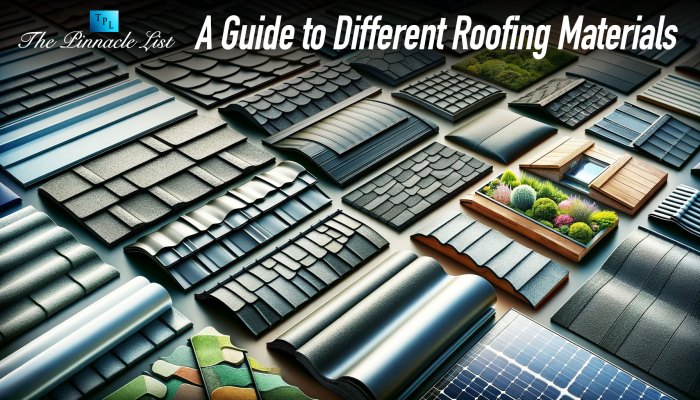
In different parts of the world, the choice of roofing materials can vary significantly based on regional preferences and factors such as climate and weather conditions. Here we explore some of the most commonly used roofing materials and the reasons behind their popularity in different regions.
North America
In North America, asphalt shingles are one of the most popular roofing materials due to their affordability, ease of installation, and versatility. They provide adequate protection against snow, rain, and wind, making them a common choice in this region.
Europe
In Europe, clay tiles are widely used for roofing due to their durability, aesthetics, and ability to withstand varying weather conditions. The classic look of clay tiles adds charm to European architecture, making them a preferred option in many countries.
Asia
In many parts of Asia, metal roofing is popular due to its durability, heat resistance, and ability to withstand typhoons and monsoons. Metal roofs are also lightweight, making them suitable for buildings in earthquake-prone areas.
Africa
In Africa, thatch roofs made from natural materials like straw or reeds are commonly used in rural areas. Thatch roofs provide good insulation and are sustainable, making them a practical choice in regions where modern roofing materials may be less accessible.
Australia
In Australia, corrugated metal roofing is a popular choice due to its ability to withstand extreme weather conditions, including bushfires and heavy rainfall. The lightweight and durable nature of corrugated metal roofs make them ideal for the Australian climate.
Sustainable Roofing Options
As the world becomes more environmentally conscious, sustainable roofing options are gaining popularity for their eco-friendly benefits. These materials offer a greener alternative to traditional roofing options, reducing the environmental impact of construction projects.
Eco-Friendly Roofing Materials
There are several innovative sustainable roofing materials that are being used around the world. These materials not only help in reducing carbon footprint but also provide long-term benefits for the environment and homeowners.
- Green Roofs: Green roofs, also known as living roofs, are covered with vegetation that helps absorb rainwater, provide insulation, and reduce urban heat island effect.
- Solar Roofing: Solar panels integrated into roofing materials can harness the power of the sun to generate electricity, reducing reliance on traditional energy sources.
- Recycled Shingles: Made from recycled materials such as plastic, rubber, or wood fiber, recycled shingles offer a sustainable option for roofing projects.
Environmental Impact Comparison
When comparing traditional roofing materials to sustainable alternatives, the environmental impact is significant. Traditional materials like asphalt shingles contribute to landfill waste and require high energy consumption during production.
- Energy Efficiency: Sustainable roofing materials like solar roofing can help reduce energy consumption and lower utility bills for homeowners.
- Longevity: Eco-friendly materials tend to have a longer lifespan, reducing the need for frequent replacements and minimizing waste.
Benefits of Sustainable Roofing
Choosing sustainable roofing options not only benefits the environment but also offers advantages for homeowners in the long run.
- Cost Savings: Energy-efficient roofing materials can lead to lower energy bills and maintenance costs over time.
- Environmental Benefits: By using sustainable materials, homeowners can reduce their carbon footprint and contribute to a healthier planet.
Cost and Efficiency Comparison
Roofing materials vary in cost and efficiency, impacting both initial installation expenses and long-term maintenance. Additionally, the choice of roofing material can affect energy consumption and utility bills, making it crucial to consider these factors when deciding on the most suitable option for your property.
Cost-Effectiveness Analysis
- Asphalt shingles: Known for their affordability, asphalt shingles are a popular choice due to their low initial cost. However, they may require more frequent maintenance and replacement compared to other materials, potentially leading to higher long-term expenses.
- Metal roofing: While metal roofing typically has a higher upfront cost, it is durable and requires minimal maintenance, leading to cost savings over time. Additionally, metal roofs can be energy-efficient and may qualify for energy-saving incentives.
- Clay tiles: Clay tiles are known for their longevity and aesthetic appeal, but they come with a higher initial cost. However, their durability often offsets the upfront expenses, making them a cost-effective option in the long run.
Energy Efficiency Comparison
- Green roofs: Green roofs, which are covered with vegetation, offer excellent insulation properties and can help reduce energy consumption by keeping buildings cool in the summer and warm in the winter. While the initial cost may be higher, the long-term energy savings can make them a sustainable and efficient choice.
- Solar panels: While not a traditional roofing material, solar panels can be integrated into the roof to generate electricity and reduce utility bills. Although the initial investment is significant, solar panels can provide long-term energy savings and potentially generate income through energy production.
Outcome Summary
In conclusion, the world of roofing materials offers a vast array of choices, each with its unique advantages and considerations. Whether you prioritize durability, sustainability, or cost-efficiency, understanding the diverse options available can help you make an informed decision for your roofing needs.
Commonly Asked Questions
What are the most commonly used roofing materials globally?
The top roofing materials used around the world include asphalt shingles, metal roofing, clay tiles, and slate.
How does climate influence the choice of roofing materials?
Climate plays a significant role in selecting roofing materials. For instance, regions with high rainfall may prefer materials like slate or metal that offer better water resistance.
Are sustainable roofing options cost-effective in the long run?
While sustainable roofing materials may have a higher initial cost, they can result in long-term savings due to energy efficiency and reduced maintenance needs.