In the realm of construction, the choice between wood siding and vinyl siding is crucial. Let’s delve into the intricacies of these two popular siding options, exploring their durability, cost implications, aesthetics, environmental impact, and installation processes. This comparison aims to provide valuable insights for anyone considering siding options for their home.
Introduction
Wood siding and vinyl siding are two popular options for exterior cladding in construction. Wood siding is typically made from natural wood materials such as cedar or pine, providing a traditional and rustic look to a home. On the other hand, vinyl siding is made from PVC (polyvinyl chloride) and offers a low-maintenance and durable alternative to wood siding.The primary purpose of siding in construction is to protect the underlying structure of a building from the elements, such as rain, wind, and sunlight.
Siding also helps to improve the insulation and energy efficiency of a home, while enhancing its curb appeal.Key differences between wood siding and vinyl siding include maintenance requirements, cost, durability, and aesthetic appeal. Wood siding may require more maintenance over time, such as painting or staining, while vinyl siding is known for its low maintenance and long-lasting finish.
Additionally, wood siding tends to have a higher upfront cost compared to vinyl siding, but some homeowners prefer the natural look and feel of wood. Overall, the choice between wood siding and vinyl siding often comes down to personal preference, budget, and desired aesthetic.
Durability Comparison
Wood siding is known for its natural beauty and timeless appeal, but when it comes to durability, it requires more maintenance compared to vinyl siding. Wood siding is susceptible to rot, pests, and moisture damage over time if not properly maintained.Vinyl siding, on the other hand, is highly durable and can withstand harsh weather conditions without rotting or warping.
It is also resistant to pests, such as termites, which can be a common issue with wood siding. Vinyl siding is known for its longevity and can last for many years with minimal maintenance.
Maintenance Requirements
- Wood siding needs to be regularly painted, stained, and sealed to protect it from moisture and UV rays. This maintenance is time-consuming and can be costly over the years.
- Vinyl siding, on the other hand, requires minimal maintenance. A simple cleaning with soap and water a few times a year is usually sufficient to keep it looking new. It does not need to be repainted or refinished, saving homeowners time and money in the long run.
Cost Analysis
When considering siding options for your home, cost is a crucial factor to take into account. Let’s compare the initial and long-term costs of wood siding versus vinyl siding.
Initial Cost of Installing Wood Siding
Wood siding is typically more expensive to install compared to vinyl siding. The cost can vary depending on the type of wood chosen, such as cedar or redwood, as well as the size of your home. On average, the initial cost of installing wood siding can range from $6 to $12 per square foot.
Initial Cost of Installing Vinyl Siding
Vinyl siding is known for being a more budget-friendly option when it comes to installation costs. The price of vinyl siding can vary based on the quality and style chosen, but on average, the initial cost of installing vinyl siding ranges from $3 to $7 per square foot.
Long-Term Cost Implications
While wood siding may have a higher initial cost, it is important to consider the long-term maintenance and upkeep expenses. Wood siding requires regular painting or staining, as well as potential repairs due to rot, pests, or weather damage. These additional costs can add up over time, making wood siding a potentially more expensive option in the long run.
On the other hand, vinyl siding is known for its durability and low maintenance requirements. Once installed, vinyl siding typically does not require painting or staining. It is also resistant to rot, pests, and harsh weather conditions, reducing the need for frequent repairs.
This can result in lower long-term costs compared to wood siding.
Aesthetics and Styles
Wood siding is often praised for its natural and timeless beauty. The warm and rich tones of wood can add a touch of elegance to any home exterior. Additionally, wood siding tends to develop a unique patina over time, giving it a rustic charm that many homeowners find appealing.On the other hand, vinyl siding offers a wide range of colors and finishes that can mimic the look of wood, stone, or other materials.
This versatility allows homeowners to achieve their desired aesthetic without the maintenance requirements of natural materials. Vinyl siding also retains its color well over time, reducing the need for repainting.
Variety of Styles
Wood siding comes in various styles, such as clapboard, shingles, and board and batten, each offering a different look and texture. These options allow homeowners to choose a style that complements the architecture of their home and reflects their personal taste.Vinyl siding is also available in an array of styles, including traditional lap siding, Dutch lap, and cedar shake.
With advancements in technology, vinyl siding manufacturers can replicate the look of high-end materials like cedar and stone, providing homeowners with more affordable options to achieve a sophisticated aesthetic.
Environmental Impact
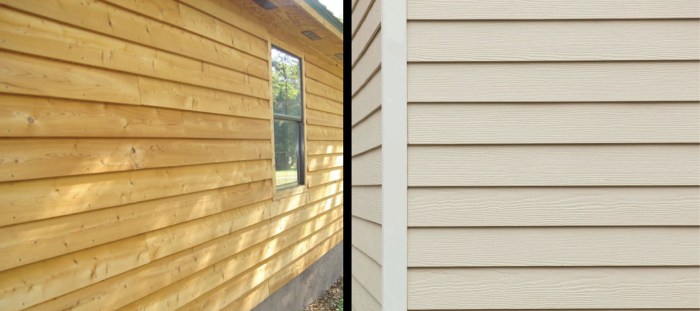
Wood siding and vinyl siding each have their own environmental implications. Let’s take a closer look at the environmental impact of using these materials.
Wood Siding
Wood siding is a natural material that is biodegradable and renewable, making it a more environmentally friendly option compared to vinyl siding. However, the production process of wood siding can contribute to deforestation if not sourced sustainably. It is important to choose wood siding that comes from certified sustainable forests to minimize the environmental impact.
Vinyl Siding
Vinyl siding is a synthetic material made from PVC (polyvinyl chloride) which is derived from petroleum, a non-renewable resource. The production of vinyl siding generates toxic byproducts and releases harmful chemicals into the environment. Additionally, the disposal of vinyl siding at the end of its lifespan can be problematic as it does not biodegrade easily and can release toxins when incinerated.
Comparison of Sustainability Factors
When comparing the sustainability factors between wood and vinyl siding, it is clear that wood siding has a lower environmental impact overall. Wood siding is biodegradable, renewable, and can be sourced from sustainable forests. On the other hand, vinyl siding is made from non-renewable resources, releases toxins during production, and poses challenges for disposal.
It is important to consider these environmental factors when choosing between wood and vinyl siding for your home.
Installation Process
When it comes to installing siding, both wood and vinyl have their own unique processes and challenges. Let’s take a closer look at how each type of siding is installed.
Installation Process for Wood Siding
Wood siding installation involves several steps to ensure a proper and long-lasting finish. Firstly, the old siding needs to be removed, and any repairs or replacements to the underlying structure must be made. Then, the wood siding is measured, cut, and installed piece by piece, typically starting from the bottom and working upwards.
Special care must be taken to properly seal and weatherproof the joints to prevent moisture damage.
Installation Process for Vinyl Siding
Vinyl siding installation is a bit different from wood siding. The process involves attaching a series of interlocking panels to the exterior of the house. These panels are designed to overlap and snap into place, creating a seamless and durable finish.
Vinyl siding is lightweight and easy to handle, making the installation process quicker and more straightforward compared to wood siding.
Special Considerations and Challenges
- Wood siding requires more maintenance and upkeep over time compared to vinyl siding, which is relatively low maintenance.
- Proper installation of wood siding is crucial to prevent issues such as rot, warping, and insect damage.
- Vinyl siding can expand and contract with temperature changes, so proper installation techniques must be followed to allow for this movement.
- Both wood and vinyl siding installation may require the expertise of professionals to ensure the job is done correctly and in a timely manner.
Conclusion
As we conclude our discussion on wood siding vs vinyl siding, it becomes evident that each option has its unique strengths and considerations. Whether you prioritize durability, cost-effectiveness, aesthetics, or environmental sustainability, this comparison serves as a guide to help you make an informed decision for your home.
FAQs
Is wood siding more durable than vinyl siding?
Wood siding is known for its durability and longevity if properly maintained. Vinyl siding, while durable, may not last as long as wood.
Which type of siding is more cost-effective in the long run?
While vinyl siding may have lower initial installation costs, wood siding can be more cost-effective in the long term due to its durability and timeless appeal.
Are there specific environmental considerations when choosing between wood and vinyl siding?
Wood siding is considered more environmentally friendly as it is a renewable resource, whereas vinyl siding may have environmental implications during production and disposal.
What are some common challenges during the installation of wood siding?
Wood siding installation may require more maintenance and upkeep compared to vinyl siding. Additionally, wood siding is susceptible to rot and insect damage if not properly treated.